Tuesday, 11 October 2016

瞭解您的免疫系統

什麼是免疫系統?
免疫系統是一個驚人的,主動的防禦機制。 其複雜的白血細胞,抗體和其他免疫化學物和器官的網絡為我們提供全天候的保護免受入侵者傷害。 每當在皮膚上有傷口時,免疫系統積極地工作以治愈它並且停止微生物如病毒和細菌的進入。 隨著我們的細胞不斷繁殖,強大的免疫系統也有助於檢測和擊敗可能導致癌症的細胞突變。

大多數疾病是免疫系統功能失常的結果。 免疫系統可能以下列方式之一或兩者發生故障:

一個虛弱的免疫系統
你可能遇到了一些人總是會一直生病 - 無論是流感,或咳嗽,或感冒,甚至胃不適。 你有沒有想過為什麼有些人恢復地很快,而其他人則需更長的時間,或者從未完全恢復呢? 答案就在於我們的免疫系統。

你有沒有想過為什麼有些人恢復地很快,而其他人則需更長的時間,或者從未完全恢復呢? 答案就在於我們的免疫系統。

我們呼吸的空氣,我們吃的食物和我們接觸的表面總是充滿了引起疾病的粉塵,污染物,真菌,寄生蟲和細菌,如病毒和細菌。 一旦我們的身體虛弱,這些毒性的物質將容易壓倒免疫系統並導致疾病。

艾滋病其實是免疫系統虛弱相關疾病的一個實例。 一旦發生艾滋病,免疫系統就會嚴重受損,並且無法有效對抗危險的細菌。 癌症也是我們的免疫系統虛弱的例子。 化療是一種對癌症的放射治療,這將進一步削弱了免疫系統 - 這就是為什麼癌症患者容易患流感,咳嗽和感冒。

一個過度活躍的免疫系統
免疫系統也可能由於身體自身細胞的過度反應而發生故障。這常常導致過敏或自身免疫疾病。

當免疫系統對抗非威脅物質,如植物花粉,動物毛皮,灰塵和某些類型的食物時,就會發生過敏反應,例如呼吸過敏,皮膚過敏或食物過敏。

當我們的免疫系統錯誤地攻擊我們身體自身的健康細胞時,就會發生自身免疫疾病。風濕性關節炎,多發性硬化,牛皮癬,糖尿病和紅斑性狼瘡都是常見自身免疫性疾病的例子。

醫生通過藥物抑制免疫反應來治療過敏和自身免疫疾病。這樣的治療通常會導致免疫系統虛弱,這將使我們更易感染疾病。通常,這樣的藥物僅僅停止過敏症狀,例如腫脹或疼痛。他們並不能完全治愈這種疾病。此外,藥物都會導致有害的副作用。

免疫器官

第一道防線 - 皮膚:當入侵者被發現時,朗格漢斯細胞發出警報聲。我們的汗液和皮脂中的抗菌物質能夠捕獲細菌,而眼淚和粘膜分泌酶以分解侵入者的細胞壁。

士兵工廠 - 骨髓:骨髓生產紅血球和白血球,它們都是免疫系統的士兵。每一秒,都有約8百萬個紅血及白血球死亡,而相同數量的紅白血球在這裡再生。

訓練場 - 胸腺:正如士兵通過海軍,陸兵和空軍訓練戰爭一樣,胸腺將分配給T細胞它們解決疾病的職責。胸腺還分泌免疫調節激素。

戰場 - 淋巴結:淋巴結是由數十億白血球聚集的戰場。每當對抗感染時,淋巴結與外來入侵者和免疫細胞一起膨脹到你可以感覺到它們的程度。腫脹的淋巴結是一個良好的指示,説明你有正在被感染了,而你的免疫系統正在工作。作為軍隊的排水系統,淋巴結能夠過濾淋巴液所攜帶的廢物比如病毒和細菌。我們的身體内含有的淋巴比血液還要多大約四倍。

血液過濾器 - 脾臟:脾臟是一個血液庫。它通過去除坏死血球以及吞噬的病毒和細菌來過濾血液。它還能夠激活B細胞來產生大量的抗體。

喉嚨衛士 - 扁桃體:扁桃體對通過鼻子和嘴部進入身體的侵略者保持著警惕。已經將扁桃體去除的人顯示出,患上鏈球菌性咽喉炎和霍奇金病的幾率有顯著地增加,這表明了扁桃體對我們的呼吸道保護的重要性。

免疫的助- 盲腸:盲腸能夠幫助B細胞成熟以及抗體(IgA)的生產。它還能充當交通協調員,產生分子,指導白血球運輸到身體的其他部分。盲腸還能將白血球暴露於存在消化道中的入侵者,並幫助抑制潛在有害的抗體反應,同時促進腸部的免疫力。

腸道防護 - 集合淋巴:跟盲腸一樣,集合淋巴對腸道中的入侵者起反應。它們對於人體血液中微生物侵入者是至關重要的。

 免疫細胞


特定防衛戰士 - B細胞和抗體B細胞提供體液免疫 - 透過在血清、淋巴液等體液中循環流動的抗體來保護人體。B細胞扮演與入侵者作戰的士兵角色,能夠針對不同的入侵者產生特定的抗體以對付它們。抗體,也成爲免疫球蛋白,是我們體内搜索敵人的導彈。它們首先追蹤、鎖定目標入侵者,然後就觸發免疫反應徹底摧毀入侵者。

非特定防衛戰士 - T細胞T細胞給予身體細胞性免疫力。它們提供非特定免疫,既只負責搜索和摧毀敵人而不管其種類是什麽。補助T細胞是免疫系統的指揮官。它們透過化學信號通知、命令其他士兵作戰。毒性細胞和自然殺手細胞是入侵者致命的襲擊手,給予入侵者迎頭痛擊。一旦感染的情況受到了控制,抑制T細胞就會調節抗體的生產,並發出戰爭結束的訊號。


噬菌者 - 吞噬細胞和顆粒性細胞:吞噬細胞,如單核細胞和巨噬細胞,是巨大的細胞吞噬者。巨噬細胞是多任務免疫細胞。除了清潔體内戰爭后留下的殘骸及老化的血球細胞,他們還分泌化學物質,招來其他免疫細胞到入侵者的地方。顆粒細胞,如嗜中性白血球,嗜酸性白血球和嗜鹼性白血球,通過有效的化學顆粒來破壞侵襲者。例如,由於嚴重感染而產生的膿,就包含有死亡的嗜中性白血球和其他戰爭留下的殘骸。


Sunday, 9 October 2016

How does collagen affecting our health?

How Collagen Benefits the Skin?

Collagen provides powerful support for the dermis and is of vital importance to the skin. Without collagen, the skin will lose its radiance, smoothness and elasticity. Collagen benefits the skin in the following ways:


Hydrates: collagen contains molecules that attract water and its triple-helix arrangement effectively locks in moisture, keeping the skin hydrates and smooth at all times.

Nourishes: Collagen can maintain moisture in the horny layer (stratum corneum) and the integrity of the fiber structure, help skin cells thrive, boost skin metabolism, and improve blood circulation, thereby nourishing the skin.

Revitalizes: How radiant the skin looks depends on its moisture content. Collagen can help skin to lock in moisture so that it appears healthy and radiant.

Firms: collagen increases skin’s density and elasticity, reduces pore size and firms the skin.

Prevents Wrinkles: The layer of collagen in the dermis supports the skin cells and has both hydrating and wrinkle-prevention effects to help smooth rough lines and reduce the appearance of file lines.

Repairs: Collagen enhances the normal growth of skin cells. At the same time, collagen has anti-inflammatory and skin renewal effects.


Does Collagen only benefit our skin?

Take a look at the functions of collagen below:

Functions of Collagen in the Human Body:
Collagen makes up 70 per cent of our skin. Our skin has a big surface area and is like a big bag that wraps up all parts of our body tightly. When our limbs move, the collagen in our skin enables the skin to have a protective function and helps it to be elastic and durable.

Collagen is the main component that imparts elasticity to the skin and muscles. But as age increases, the water content in skin and muscles decreases-the beginning of aging. Collagen fibers become finer. Elastin becomes less elastic. The network of collagen and elastin in the dermis gradually breaks down, leading to wrinkles. This explains why collagen replenishment can help skin maintain its youthfulness.


Gives Skin its Strength & Elasticity

Strengthens Bones & Prevents Osteoporosis
Our bones contain calcium. Loss of calcium from our teeth may lead to tooth decay and gum disease. Loss of calcium from our bones leads to osteoporosis. Collagen binds calcium and bone cells to prevent calcium loss.

The loss of collagen from the bones will lower their calcium levels. Increasing only calcium intake at this point may not improve the sign of osteoporosis. The bones cannot retain calcium mainly because of the decreased amount of collagen. Bones and muscles are held together by collagen; the collagen here is known as hamstring. Cartilage tissues cover the parts where bones meet bones. They keep the bones and muscles soft and elastic during movements. Collagen is the main component of cartilage tissues.

Enables Eyes to See and the Cornea to Retain Transparency
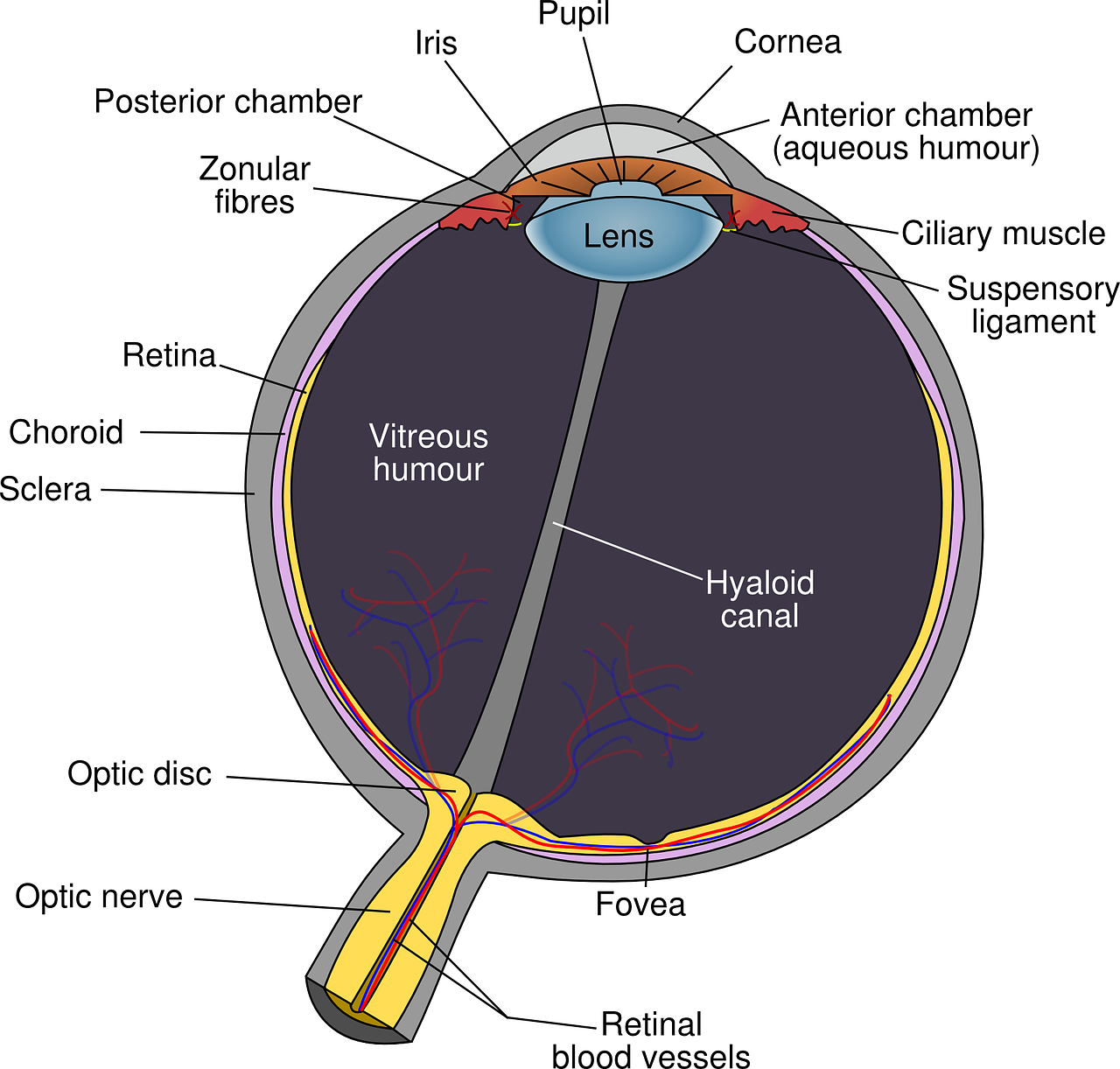
The cornea is a vital component of the eye. The cornea contains collagen fibers that run parallel to each other. This special formation of the collagen fibers enables sight and gives the cornea its transparency.


Helps Muscle Cells to Join Together and Imparts Elasticity and Shine
The main components of muscles are actin and myosin. Collagen helps bind cells together and acts as scaffolding for our body. The bone structure formed by collagen molecules helps the body to maintain good posture and imparts flexibility.

Protects and Strengthens Internal Organs
The main structures and internal organs in the human body contain collagen. Collagen lies beneath the surface of internal organs. Such as stomach and intestines, to protect and strengthen them.


Protects Blood Vessel Walls
The internal and external walls of blood vessels in the human body contain collagen. The main function of collagen here is to maintain flexibility and expandability. Blood vessel walls become weakened and easily broken with the loss of collagen.

Prevent Cancer Metastasis
Sufficient collagen on the outer walls of blood vessels can effectively prevent cancer cells from entering blood vessels and spreading to other parts of the body. At the same time, collagen on the outer walls of blood vessels can lock in cancer cells, providing a smoother passageway for immune cells to travel to cancer cells and destroy the latter.

Our body will loses collagen, naturally

Scientists has revealed that our body will loses its collagen at the rate of 1.5% per year, starting at the age of 30. However, due to our current modern lifestyle, addition of exposure of free radicals, some people starting to lose collagen at younger age!


So, how will collagen deficiency affects our body?


Sources of Collagen:
More and more people are aware the importance of collagen in order to stay healthy and young!


Thus, more and more collagen products are available from the shelf, in tablet/pill/beverage form as a supplement. However, did you know that these supplements are synthetically made in the laboratory. Common sources of these synthetically made collagen are from marine animals, SILICON (See A1 at the end of article) , and ASTAXANTHIN (See A2 at the end of the article).


There are other options available such as injection of Botulinum toxin (BTX, see A3 at the end of the article) or more commonly known as Botox. Collagen skincare products also widely available in the markets.

However, did you know that: 

Collagen-based dietary supplements
Most of the collagen will be destroyed during our digestive process.

Collagen injection
Collagen injection may increase the risk of infection of immunoreactions, as there is likelihood that it is derived from unreliable or infected sources.

Externally-applied collagen
Collagen-based skincare collagen has large molecular weight. Therefore, it is unlikely to be absorbed by the skin though topical application

What is the best way to replenish collagen in our body? Research has shown that our body will loses collagen starting age of 30. In other words, stay young and healthy is the key for our body to maintain the amount of collagen in our body!


The question is, how do we keep our body young and healthy?
The key answer are antioxidant and phytochemicals!

Wholesome plant foods rich in antioxidants and phytochemicals
A diet rich in antioxidants and phytochemicals slows down the aging process, improves cell regeneration and enhances collagen production within our bodies

Researches had been conducted by team of a group of scientist focuses on Nutritional Immunology, and they found out that these 6 plants has highest content of antioxidant and phytochemicals which able to boost collagen production by our body cells, automatically and naturally!


Ginseng berry
Containing some of Nature’s most potent antioxidants, ginseng berry extract has 1.4 times more antioxidants than vitamin C. Studies show that ginseng berry extract can improve body function and enhance concentration by increasing blood supply to the brain. It can also slow down cell ageing, improve cell regeneration, relieve exhaustion and provide a calming effect. Skin becomes moisturized and supple when ginseng berry extract is applied.

Cactus fruit
This fruit is rich in antioxidants and phytochemicals. It can protect against DNA damage, promote cell repair and renewal, and stimulate phagocyte activity. Cactus fruit helps skin become soft and radiant by improving skin condition. Scientists have also discovered that cactus fruit is extremely beneficial for healing superficial and internal injuries.

Cactus
With excellent phytochemicals and antioxidants, cactus effectively prevents DNA damage, improves the structure and appearance of the skin, promotes cell renewal and helps to delay the skin’s ageing process. When applied to the skin, cactus extract’s anti-inflammatory ability speeds up wound healing and improves the appearance of scars. In addition, long-term consumption could help improve cholesterol levels, maintaining good health.

Rose
According to experimental reports, the antioxidants and nutrients in rose may help prevent DNA damage, promote wound healing, and improve the skin’s texture and appearance. Rose contains up to 50 times the amount of antioxidants in lemons, and this high concentration of antioxidants may encourage production of collagen, reduce damage by harmful UV rays, combat colds, prevent disease, and protect against free radical damage. Rose is also a gentle astringent that has cleansing, purifying, softening, anti-bacterial and anti-inflammatory properties. It enhances beauty by helping to lighten pigmentation for a smoother, fairer complexion.

Grape seed
Contains Oligomeric Proanthocyanidin (OPC), a very strong antioxidant. Research indicates that grape seed extract possesses 20 times more antioxidant activity than vitamin C and 50 times more antioxidant activity than vitamin E! Grape Seed extract has great potential against diseases related to free radical damage, because it can strengthen the immune system, protect against cancers and lower the risk of cardiovascular disease. Grape Seed extract can also aid the absorption of vitamins C and E, maintain collagen, reduce skin damage by UV rays, and delay visible signs of ageing for a youthful, radiant appearance.

Seaweed
Research has shown that the nutrients in seaweed are especially potent for anti-ageing skincare. Seaweed has skin repair ability. It can maintain skin elasticity and firmness, prevent blood clotting, and eliminate toxins from the skin. At the same time, it can help treat and relieve burns. Seaweed also prevents free radical damage and stimulates collagen synthesis and cellular turnover. Whether eaten or applied topically, seaweed is the perfect sustenance for a healthy body and beautiful skin!

Oxyginberry is the ONLY wholesome plant foods that will provides us high antioxidants, high phytochemicals that keep our body young and healthy. With the cells in our body being young and healthy, our body will self-produce collagen!

 Oxyginberry is perfect for anyone who:
·      Wants to take a pro-active step to maintain good health, beauty and longevity

·       Is looking for the ultimate antioxidant protection for the immune system to stay young and healthy

·      Work or study, is the perfect solution to help improve concentration and boost memory

·      Wishes to detoxify the body from the harmful effects from pollutants, smoke, alcohol, caffeine and drugs

·      Desires a deep state of rest during sleep and increased energy and vitality

·      Is serious about protecting their skin and improving its appearance; to diminish signs of aging by reducing fine lines and wrinkles

·      May be exposed to an increased amount of free radicals, i.e. those who live in urban areas, smoke or work around chemicals, exercise frequently, eat a diet of processed foods, or has been or is still frequently exposed to sunlight.

Here are some of the lovely people who benefited from Oxyginberry (OB, in short-form):

Great improvements of the skin condition.

Joint condition improved!

I'd shared my mum's condition before and she also one of the people who gain back her health after consuming OB for 3 months! Read more here --> About me

PM to find out more on how you can stay young and stay healthy too.

Cheers
Casper Teo
8218 3033
casperteo.ct@gmail.com


References:

A1: SILICON (Link--> http://tinyurl.com/z8jkdnm)
A2: ASTAXANTHIN (Link --> http://tinyurl.com/hnej6nl)
A3: Botulinum toxin (BTX) (Link --> http://tinyurl.com/mzl42pa)

Wednesday, 5 October 2016

Chia Seed


Chia seeds are one of the most abundant sources of omega-3 fatty acids. A plant in the Salvia genus, chia derives its name from the Latin word salvare, which means to save. This naming refers to curative properties.

Powerful Dose of Omega-3 Fatty Acids
A 28-g serving of chia seeds contains 4915 mg of omega-3 fatty acids and 1620 mg of omega-6 fatty acids. Alpha-linolenic acid (ALA) is a plant based omega-3 fatty acid that makes up 66% of the oil in chai seed. This proportion is higher than that in flaxseed oil (56%). Four teaspoons of chia seed provide 4.8g of ALA, which can help prevent and treat arthritis when consumed daily.


Cardiovascular Health Enhancer
Chia seed is cholesterol free. Experimental studies showed that chia seed diets can dramatically decrease triglyceride levels and increase HDL (“good” cholesterol). Regular chia seed consumption can also reduce blood pressure and inflammation, lowering cardiovascular disease risk.
Scientists studied type 2 diabetes patients who consumed around 37 g of chia seed or wheat bran daily for 12 weeks. They found that those who consumed chia seed had decreased risk of cardiovascular disease. Patients experienced thinner blood that was less prone to clotting, thereby reducing their risks of heart attack and stroke. They also experienced reduced internal inflammation and systolic blood pressure (maximum blood pressure)

Source of Antioxidants
Compared with other sources of omega-3s – namely fish, algae and flaxseed, which have no or low levels of antioxidants – chia seed is abundant in antioxidants that help fight free radicals and nourish the immune system.

Energy Booster
Chia seeds are 16%-18% protein – higher than eggs – and this protein is a complete protein, rich in amino acids. Research indicates that protein in chia seeds is of higher quality than that of common cereals, and occurs in higher levels than in nutritional grains such as wheat (14%) and oats (15.3%). One tablespoon of chia seed, along with some water, could sustain a person for 24 hours.
Chai seeds contain strontium, which acts as a catalyst for protein absorption and energy production. They can also absorb more than 12 times their weight in water, helping the body to conserve water. In addition, chai seeds can help to calm nerves and strengthen memory.

Eye health Promoter
Chia seeds are greatly beneficial for eye health. They are an excellent source of ALA. ALA has powerful anti-inflammatory effects that may help prevent eye conditions linked to oxidative stress and inflammation. These include dry eye syndrome (DES), age-related macular degeneration (AMD), cataracts, and diabetic retinopathy. Furthermore, a U.S. study showed that topical application of ALA significantly relieved DES in animal models.


Tuesday, 4 October 2016

膠原蛋白真的有那么地神奇吗?

膠原蛋白對皮膚有什麽好處?

膠原蛋白為我們的真皮提供強而有力的支援,是對皮膚至關地重要。沒有膠原蛋白,皮膚就會失去其亮麗光澤、 平整度與彈性。膠原蛋白對皮膚的好處如下


保濕 膠原蛋白中含有吸引水分子而且有效地鎖住水分,保持皮膚濕潤和光滑。

滋養 膠原蛋白可以保持角質層的水分和纖維結構的完整性,促進皮膚細胞生長及新陳代謝,改善血液循環,從而滋養肌膚。

恢復活力︰皮膚看起來是否光亮取決於其水分的含量。膠原蛋白可以幫助皮膚鎖住水分,使其看起來健康紅潤和光亮。

彈性 膠原蛋白增加皮膚的密度和彈性、 降低孔隙的大小和緊致肌膚。

防止皺紋 真皮層裏由膠原蛋白層支撐著皮膚細胞,並具有保濕和抗皺的作用,使粗糙線條流暢。

修復 膠原蛋白增強皮膚細胞的正常生長。同時,膠原蛋白具有抗炎和更新皮膚的效果。


膠原蛋白是否僅僅有益於我們的皮膚呢?

來看看以下的膠原蛋白的功能:

膠原蛋白在人體功能:
我們的皮膚的70%是由膠原蛋白構成的。我們的皮膚有很大的表面積,就像一個大袋子,緊緊包裹了我們身體的各個部位。當我們運動我們的肢體的時候,皮膚層裏的膠原蛋白使具有保護皮膚的功能,並保持它是具有彈性及耐用。

膠原蛋白是賦予皮膚和肌肉彈性的主要成。但隨著年齡的增長,皮膚和肌肉中的水含量慢慢地減少,這就是老化的開始。膠原纖維變得更細。彈性蛋變得不那麼有彈性。膠原和彈性蛋白的在真皮下逐漸分解,導致皺紋。這就解釋了為什麼膠原蛋白的補充可以幫助肌膚保持

賦予肌膚其強度及彈性

強化骨骼健康及防止骨質疏鬆症 
我們的骨骼含有鈣。從我們的牙齒鈣質流失可能會導致蛀牙和牙齦疾病。從我們的骨骼鈣質流失導致骨質疏鬆症。膠原蛋白結合鈣和骨細胞,防止鈣的流失。
膠原蛋白從骨骼的損失將降低鈣的水平。在這一點上增加鈣的攝入量並不能改善骨質疏鬆症症狀。原蛋白數量下降是骨骼不能留住鈣膠的主要因素。骨骼和肌肉是由膠原蛋白結合在一起;這裡膠原蛋白被稱為腿筋。軟骨組織覆蓋骨頭與骨頭交匯的部分。它們能保持骨骼和肌肉運動過程中柔軟且富有彈性。膠原蛋白是軟骨組織的主要成分。

使眼睛看和眼角膜保留透明度
眼角膜是眼睛的一個重要部分。眼角膜包含了運行彼此平行的膠原纖維。這種特殊的膠原纖維的形成使視力和眼角膜維持透明度。


幫助肌肉細胞連接在一起並賦予彈性和光澤
肌肉的主要成分是肌動蛋白和肌球蛋白。膠原蛋白能幫助細胞結合在一起,並充當腳手架我們的身體。通過膠原蛋白分子形成的骨骼結構幫助身體保持良好態勢,並賦予靈活性。

保護並加強內部器官
在人體內的主要結構和內臟都含有膠原蛋白。膠原蛋白在內臟器官的表面之下,譬如胃和腸,給予保護與加強。


保護血管壁
在人體內的血管的內部和外部牆壁含有膠原蛋白。膠原在這裡的主要功能是保持靈活性和可擴充性。膠原蛋白的損失會導致血管壁慢慢地薄弱而導致容易破碎。

預防癌症轉移
血管的外壁上足夠膠原可以有效地防止癌細胞進入血管和擴散到身體的其他部位。與此同時,血管的外壁上的膠原蛋白可以在鎖住癌細胞,這將使免疫細胞更容易攻打癌細胞。

我們的身體會自然地失去膠原蛋白

科學家揭示我們的身體將會從 30 歲開始,以每年1.5%的利率,失去其膠原蛋白。然而,由於我們當前的現代生活方式,再加上暴露在自由基當中,一些人在更年輕的時候就開始失去膠原蛋白!


那麽,膠原蛋白缺乏將會如何影響我們的身體呢?

膠原蛋白的來源:
越來越多的人都知道膠原蛋白是保持健康和年輕的重要因素。


因此,越來越多的膠原蛋白產品都可以從商場的架子上找到,以顆粒/飲料的形式作為膠原蛋白的補充。然而,你可知道,這些補品都是在實驗室中以人工來合成的。這些人工合成膠原蛋白的常見來源是海洋動物,矽(見A1),和蝦青素(見A2)。


還有其他的選擇,如肉毒桿菌毒素注射(BTX,見A3)或通常被稱為肉毒桿菌。膠原蛋白的護膚產品也在市場上容易買到。

然而,你可知道:

膠原基膳食補充丸
大部分的膠原蛋白會在我們的消化過程中被胃酸消化掉而衹是區區的氨基酸。

膠原蛋白注射
膠原蛋白注射可能會增加免疫反應的感染的風險,原因是它也許來自不可靠或受感染的來源。

外敷的膠原蛋白
膠原蛋白護膚品因爲膠原蛋白分子量較比皮膚還要大。因此,它是不可能被我們身體吸收。

什麽是補充膠原蛋白最好方法呢?研究表明,我們的身體在30嵗開始便會失去膠原蛋白。換句話說,要保持年輕和健康的關鍵,在於我們的身體中的膠原蛋白含量!


問題是,我們如何保持我們的身體年輕和健康?

答案的關鍵是抗氧化劑植物營養素

植物性食物含有豐富的抗氧化劑和植物營養素
含有豐富的抗氧化劑和植物營養素的飲食會減慢衰老過程,提高細胞再生,增強了我們的身體內膠原蛋白的生產

由一群側重于營養免疫學科學家團隊進行的研究,他們發現以下這些 6 種植物有含有最高量的抗氧化劑和植物化營養素,能夠促進我們的身體細胞自動生產最自然的膠原蛋白


人參果實
含有大自然界中最優質的抗氧化劑,其活性比維生素C高出1.4倍,研究指出,人參萃取物具有增强體能、促進腦血供應,有助提高注意力的功效;亦可降低細胞老化速度、增强新陳代謝、平復情緒與消除疲勞;用於皮膚則可迅速提升肌膚的水嫩度與彈性。
仙人掌果實
含豐富抗氧化劑與植物營養素,具有預防DNA受損,促進細胞修復與更新、刺激巨噬細胞活性等功能,同時也有助于改善膚質,使肌膚柔嫩亮麗。科學家還發現,仙人掌果實對人體内外創傷的修復有著强大的功能。

仙人掌
含豐富植物營養素與抗氧化劑能夠有效預防DNA受損、改善肌膚細胞組織與外觀、促進細胞更新,同時也有助于延緩肌膚老化。當塗抹仙人掌萃取物于皮膚上,仙人掌所含的抗炎成份有助於加速傷口的愈合以及淡化疤痕。而長期食用仙人掌也能改善膽固醇水平,維持身體健康。

葡萄籽
OPC,是一種强力抗氧化劑。研究顯示,葡萄籽萃取物所含的抗氧化劑活性比維生素C20倍,比維生素E50倍。葡萄籽萃取物對於自由基相關的疾病有極大的功效與潛能,如增强免疫系統、抵抗癌症、減少心血管疾病的風險。除此之外,葡萄籽萃取物能幫助維生素CE的吸收、保護膠原蛋白,減少紫外綫對皮膚之傷害,防止皺紋提早出現,從而減緩老化,維持青春美麗。

玫瑰
科學研究證實玫瑰所含的珍貴營養素與抗氧化劑,能幫助預防DNA受損、加速傷口愈合、改善膚質與外觀。研究也發現玫瑰所含的抗氧化劑比檸檬高50倍,能有效增進人體生產膠原蛋白能力,並有助于抵禦紫外綫的侵害,預防感冒和病毒的侵襲,以及抵抗自由基對人體的侵害,玫瑰也具有清潔、净化、柔膚、殺菌與抗炎等功效,有助於養顔、淡化黑斑,促進肌膚光滑柔嫩。

海藻
研究發現海藻所含的營養素對延緩肌膚老化特別有助益。海藻不但具有修復肌膚的功能,還有保持肌膚緊實、預防血塊形成、幫助肌膚排毒等功效,同時也助于緩解與治療皮膚燙傷。此外,海藻也能幫助抵禦自由基造成的傷害,刺激膠原蛋白的合成與細胞更新。無論是外敷或内服,海藻對維持人體健康與肌膚亮麗都具有極大的功效。

Oxyginberry是唯一有益的植物食物中將提供我們高的抗氧化劑,高的植物化學物質,使我們的身體保持年輕和健康。在我們年輕和健康的身體細胞,我們的身體會自我產生膠原蛋白
以下是一些因爲Oxyginberry (簡稱OB)而獲益的例子:

皮膚有大大地改善

膝蓋問題有明顯地好轉

我的媽媽也是一名因爲服用了OB改善了她的健康,詳情可以點擊 --> 關于我
想要知道如何獲得健康以及保持青春,可以通過以下方法聯絡我

Casper Teo
8218 3033

引用:

A1: (Link--> http://tinyurl.com/z8jkdnm)
A2: 蝦青素 (Link --> http://tinyurl.com/hnej6nl)
A3: 肉毒桿菌毒素注射(BTX) (Link --> http://tinyurl.com/mzl42pa)


Sunday, 2 October 2016

If dietary supplements are able to help to cure diseases, why till today, mortality rate still climbing high?

What is a Dietary Supplement?
A dietary supplement is a product intended for ingestion that contains a "dietary ingredient" intended to add further nutritional value to (supplement) the diet. A "dietary ingredient" may be one, or any combination, of the following substances:
- a vitamin
- a mineral
- an herb or other botanical
- an amino acid
- a dietary substance for use by people to supplement the diet by increasing the total dietary intake
- a concentrate, metabolite, constituent, or extract
Dietary supplements may be found in many forms such as tablets, capsules, softgels, gelcaps, liquids, or powders. Some dietary supplements can help ensure that you get an adequate dietary intake of essential nutrients; others may help you reduce your risk of disease.

Source: http://www.fda.gov/

What you need to know first about dietary supplements?
Dietary supplements include things like vitamins, minerals, herbs, or products made from plants. They can also be made from animal parts, algae, seafood, yeasts, fungus, and many other food substances or extracts. They include powdered amino acids, enzymes, energy bars, and liquid food supplements.


Some dietary supplements are formulated under careful conditions in clean, controlled laboratories and labeled accurately. Others are made less carefully, and have been found to contain none of the substances listed on their labels. And some supplements contain other substances that are not listed on their labels – fillers, different herbs, or actual drugs that are known to be able to cause harm.

If you are thinking about using dietary supplements as part of your cancer treatment, you’ll want to know more before you decide what to do. The information here will help you learn more about dietary supplements so you can make a more informed decision about using them safely.

Source: http://www.cancer.org/

Dietary supplements are considered safe until proven unsafe!
In 1994, the Dietary Supplement Health and Education Act (DSHEA) defined dietary supplements as a category of food, which put them under different regulations than drugs. They are considered safe until proven otherwise. The DSHEA says that dietary supplements cannot contain anything that may have “a significant or unreasonable risk of illness or injury” when the supplement is used as directed on the label, or with normal use if there are no directions on the label.

A dietary supplement is considered “new” if it contains an ingredient not recognized as a food substance, unless it was sold as a supplement before October 1994. If it is new, the manufacturer must provide the FDA with reasonable evidence that the new ingredient is safe before the supplement is marketed to the public.

But manufacturers are not required to test new ingredients or supplements in clinical trials, which would help find risks and potential interactions with drugs or other substances. The DSHEA gives the FDA permission to stop a company from making a dietary supplement, but only when the FDA proves that the product poses a significant risk to the health of Americans. This means they are found unsafe only after they cause harm. This is the reverse of the way prescription and non-prescription drugs are handled.

Dietary supplements are usually self-prescribed, so there’s no controlled system for reporting bad reactions and side effects. Doctors and patients can report problems, but are not required to do so. If a supplement has unknown side effects or interactions with other drugs, foods, or supplements, they are not likely to be discovered as quickly as those of new drugs on the market.

Source: http://www.cancer.org/

Risks and side effects of dietary supplements
Like drugs, dietary supplements have risks and side effects. But sellers aren’t required to do research studies in people to prove that a dietary supplement is safe. And unlike drugs, dietary supplements are mostly self-prescribed with no input from informed medical sources like doctors, nurses, or pharmacists.

There’s a lot of wrong information out there. Even for those who are usually well informed, it can be hard to find reliable information about the safe use and potential risks of dietary supplements.

As part of its function to monitor supplement safety, the US Food and Drug Administration (FDA) tracks reports of illness, injury, or reactions from supplements. And supplement makers are required to report serious harmful effects to the FDA. Early numbers are reported on the FDA website. Recent FDA information shows that the number of reports has continued to climb each calendar year:

2010: 1,009 reports of dietary supplement adverse events
2011: 2,047 reports of dietary supplement adverse events
2012: 2,844 reports of dietary supplement adverse events

Exposures to supplements (such as vitamins, herbs, protein powders, and botanicals) accounted for more than 35,000 calls to US poison control centers in 2011. Of these calls, more than 4,000 people were reportedly treated in health care facilities. More than 800 cases were described as having moderate to severe outcomes, with 4 deaths reported to poison control centers.

Most people who suffer unexpected side effects, illnesses, or drug interactions from dietary supplements don’t call a poison control center or the supplement manufacturer. This means that the numbers we have are likely very low estimates of actual events.

Used properly, certain dietary supplements may help reduce the risk of some diseases, reduce discomfort caused by certain drugs or conditions, or simply make you feel better (improve your quality of life). And most people can use dietary supplements safely within certain dosage guidelines. But taking dietary supplements can be risky, especially for people who are getting cancer treatment.

Special problems for people getting cancer treatment
There are several ways that supplements can cause problems for people during cancer treatment. For example, some dietary supplements can cause skin sensitivity and severe reactions when taken during radiation treatment. People who are getting radiation treatments should talk to their doctors before taking any supplement.

People getting chemotherapy may be at higher risk for drug interactions if they take dietary supplements. There is also concern that antioxidants might interfere with cancer cell-killing treatments. Cancer experts often recommend that patients avoid dietary supplements altogether until their cancer treatment is over. But if you decide to take supplements anyway, be sure to let your doctor know exactly what you are taking.

Source: http://www.cancer.org/

Here's a short clip by Dr. John McDougall explaining <Vitamin Supplements>


To read more about Dr. John Mc Dougall, read here:
https://www.drmcdougall.com/about/dr-john-mcdougall/

Here are 3 online articles about supplements, please click the link provided to read more:
http://www.netdoctor.co.uk/healthy-eating/a10828/vitamin-supplements-good-or-bad/

http://www.straitstimes.com/singapore/health/hsa-warns-against-two-illegal-weight-loss-products

http://articles.mercola.com/sites/articles/archive/2005/01/19/whole-food-supplements.aspx


Here are some images taken from the book <Enjoying Health & Longevity With Nutritional Immunology> by Dr Jau-Fei Chen.


If dietary supplements are able to help to cure diseases, why till today, mortality rate still climbing high? 

It was 20 years ago since the law was announced that all dietary supplements' ingredients must reviewed by FDA (Foods and Drugs Administration for their safety before they are marketed. However, human still suffer from various types of chronic diseases till today, are the advanced medical technology that we human possessed today, still unable to ourselves from such diseases?

Take a look at these numbers, taken from Centers for Disease Control and Prevention (link located at bottom of the picture).

Source: http://www.cdc.gov/nchs/fastats/leading-causes-of-death.htm

Why are there such huge numbers of death caused by Heart disease? Cancer, a disease which abnormal cells divide without control and are able to invade other tissues, ranked number 2 of death caused in US for year 2014 alone! It is very clear that something has gone wrong or misconception about the diet that we practised everyday. I believed that everybody has this experience, where we visit clinic or hospital when we fell sick, doctor will issued us medications such as pills and pain killers, and antibiotic. Are these pills really helped to cure our illness? Do you know that such medication will caused harm to our body rather than helping to free ourselves from falling sick?

Panadol (aceraminophen), belongs to a group of medicines called analgesics (pain relievers) and antipyretics (fever reducers). It works quickly to relieve pain caused by conditions such as headache and osteoarthritis, and to reduce fever caused by infection. It is used by itself as well as in combination medication products for cough, cold and pain relief. (Details link here: http://chealth.canoe.com/drug/getdrug/Panadol) It is very sure that Panadol is not the medicine to cure our fever, or cough, or flu, but to slows down or more precisely, suppresses our pain caused by these illnesses.

So, what is the thing that really cures us from illness? The answer is our immune system! Our immune cells, which located at various parts in our body, protecting ourselves from bacteria and viruses 24/7! (To read more about our immune system, please click here: Our Immune System ) It is very important to nourish our immune cells with proper nutrients so that our immune system works perfectly all the time. (To read more about what are the 3 nutrients to boost our immune system, click here: What is Nutritional Immunology)